Every dish cooked far from home carries a story — a language, a memory, an identity. This project explores how immigrant families use food to stay connected to who they are.
For immigrant families, cooking at home is about much more than eating. It is how they keep their culture alive, pass on their language, and find belonging in a new place.
Recipe names and cooking words in a heritage language are often the last things families forget — the kitchen keeps language alive.
A single smell or taste can bring back a whole world — people, places, and feelings from a life lived somewhere else.
Cooking and sharing food from your homeland is a way of saying “this is who we are” — even thousands of miles away.
Immigrant cooks don’t just preserve food — they adapt it, mix it, and create something new that reflects their whole life story.
When families move to a new country, they bring their recipes with them. These are not just instructions for cooking — they are pieces of identity. They carry the names of ingredients in a language only the family speaks, the smell of a grandmother’s kitchen, and the feeling of home.
This project looks at how immigrant families use home cooking to protect their culture, talk across generations, and find their place in a world that does not always welcome them. We explore how food connects to language, identity, power, and globalization — the big themes of our course.
We believe the immigrant home kitchen is not a museum. It is a living, changing, creative space where people figure out who they are — every single day.
Ten voices, one shared table — exploring how food carries memory, meaning, and identity across cultures.
Explores how food carries oral history and how marginalized communities used cooking as a tool of resilience and survival.
Investigates how food is embedded in power and language, and how globalization erodes or preserves local food identities.
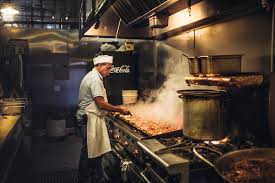
Shows how every dish carries meaning, history, and social values — brings the project to life through visual storytelling.
Studies how food connects to personal history and community values, and how language shapes the way people understand what they eat.
Looks at food as social glue — how shared meals at family gatherings and everyday moments strengthen culture and community bonds.
Explores how gender, religion, and globalization shape food practices — and how these insights can help create more respectful classrooms.
Built the digital experience for this project and researches how food traditions change when people migrate — yet still keep their meaning.
Food is more than nourishment — it's identity, culture, and connection that spans generations and borders.
Food reveals identity, culture, and the stories behind everyday life.
Food and language define our identity — he explores the cultural and social meanings woven into everyday meals.
Each team member shares their personal takeaways. Click a photo circle to upload a participant photo — or set the path directly in the code below.
Going into this class, I honestly just thought of food as fuel. But studying food, culture, and identity totally shifted my perspective. I realized that what’s on our plates is actually a living history book. The biggest takeaway for me was seeing how deeply food connects to resilience and personal history. When we learned about how West African culinary traditions survived the Middle Passage, it hit me that recipes were used as oral history — especially when reading and writing were illegal. It’s amazing how marginalized communities took discarded, unwanted ingredients and transformed them into cultural delicacies. It’s not just about making do; it’s about survival and creating joy out of nothing. This course also showed me how food was a tool for resistance, even helping to fund the Civil Rights Movement.
During this course, I found the extent to which food is embedded in identity, language, and power to be the most striking thing. My first perception was that food was a simple need or at best a cultural symbol. After learning about foodways and globalization, I now understand that food is a potent social and political instrument. The most notable point was that food is not neutral — it embodies inequities and cultural hierarchies. Some cuisines are considered prestigious and global while others are stereotyped and pushed aside. This connects directly to language: the way we talk about food reveals hidden biases. The paradox of globalization — it both connects cultures and erodes local traditions — completely changed my view of global food systems.
Throughout this course, I came to realize that food is much more than something we eat — it is deeply connected to culture, language, and identity. Before this class, I mainly saw food as a daily necessity. But learning about food across different cultures showed me that every dish carries meaning, history, and social values. The ingredients people use, the way meals are prepared, and how they are eaten all tell a story about where people come from. Traditional dishes represent a region’s climate, agriculture, history, and even religious beliefs. This made me realize how important it is to respect and understand different food practices instead of judging them based on my own background.
This class helped me see that food is more than just something we eat. It connects to culture, identity, and the way people express themselves. I learned that food can represent personal history, family traditions, and community values. It also showed me how language shapes the way we understand food and how people talk about it. Another important idea was how food changes when people migrate or live in different places, but still keeps its cultural meaning. Overall, this course made me think more deeply about everyday eating and how food can reflect belonging, difference, and identity.
The first and most important lesson I got from this course is that food is not merely something we eat — it is far more complex. Food provides a binding force that creates relationships between individuals and strengthens culture and family ties. It can be considered social glue — a phenomenon that helps people connect during family gatherings, festivities, and ordinary mealtimes. This course helped me realize that food is not only about taste and nutrition; it serves as cultural and social identity and a form of human communication that builds community relationships.
I really liked this course. It was interesting to see everyday food from a deeper perspective — not just as something normal. The topics about gender, religion, and globalization were the most interesting for me. They made me think more deeply about how food is connected to people’s roles, beliefs, and culture. I noticed how food is not only about eating, but also about traditions, identity, and rules in society. The matcha day was especially memorable — learning about its history and preparing it ourselves made the learning very real. As a future teacher, this course helps me understand students better, since everyone comes from a different background and food is a big part of that.
Before this course, I saw food as just something we eat every day. Now I understand that food is deeply connected to culture, identity, and history. I learned that food can show traditions, beliefs, and where people come from. It can also change when people move, but still keep its meaning. Activities like the matcha day made learning more real and interesting. This course helped me understand the importance of respecting different backgrounds. Overall, it changed the way I see food and everyday life — I now look at a simple meal and see a whole story behind it.
Food, Language, Identity, helped me understand how deeply food is connected to culture and personal identity. I learned that food is not just about nutrition, but also about communication, traditions, and social belonging. The course showed how language shapes the way we talk about food and how it reflects values, history, and cultural differences. One of the most interesting aspects was exploring how food can represent identity in different societies and how globalization influences eating habits. I also found it valuable to reflect on my own cultural background and how food plays a role in my daily life and interactions. Overall, this course broadened my perspective and made me more aware of the cultural and social meanings behind food.
I really enjoyed this course because it helped me see everyday food from a deeper perspective. Topics like gender, religion, and globalization showed how food reflects identity, culture, and social roles. The matcha day was especially memorable, as it combined learning with real experience. As a future teacher, the course reminded me to respect students' diverse backgrounds. Overall, it was simple but meaningful and changed how I view everyday life.
This course helped me understand how identity is shaped by food and language in everyday life. I realized that what we eat and the language we speak reflect our culture, values, and personal history. It also showed me how identity can change when people move or interact with other cultures, making it more dynamic and diverse.
Watch our videos below.
These are the key ideas we found — simple truths about how food connects to culture, language, and identity in immigrant families.
Immigrant home kitchens hold cultural knowledge that exists nowhere else — recipes, words, techniques, and memories that cannot survive in public or commercial spaces.
Food words in a heritage language are among the last to disappear. Even families who rarely speak their home language will still use it when talking about food and cooking.
Who decides what counts as “real” immigrant food? These decisions always involve power — and often exclude the very people whose food is being judged.
In most families, women are expected to be the keepers of food tradition. This is meaningful work — but it is also invisible, unpaid labor that is rarely recognized.
Children of immigrants live between two worlds in the kitchen. Their choices — what to cook, what to refuse, what to remix — tell us the most about how culture actually changes.
Cooking your homeland’s dishes in a country that doesn’t always value your culture can be a powerful, quiet act of self-assertion and survival.
Global food trends do not wipe out immigrant cooking — they mix with it and create new forms of hybrid creativity that deserve scholarly attention.
Diaspora communities now share and perform food culture on TikTok and YouTube — a completely new identity space that is still being understood.
Sharing a meal from your homeland with others is one of the most direct ways to make people understand who you are and where you come from.
A deep dive into the scholarship — from historical roots to present-day debates. Click a tab to explore each section.
This project studies home cooking in immigrant and diaspora families — not just what is cooked, but the whole world around it: the stories told in kitchens, the names of dishes in languages children may not speak, the fights between generations about what “real” food is, and the deep emotional weight that a simple dish can carry.
Food and language are more connected than most people realize. When a family cooks a dish from their homeland, they are also practicing a language — using words for spices, techniques, and flavors that may not have exact translations. These kitchen words are often the last pieces of a heritage language to survive.
For immigrant families, the home kitchen is one of the most important spaces where they decide who they are. It is where culture is taught, argued about, and kept alive — or quietly let go. Our research takes this seriously, drawing on scholars from linguistics, anthropology, sociology, and food studies.
The serious study of immigrant food and identity is mostly a product of the last 40 years. The big shift came when scholar Arjun Appadurai (1988) introduced the idea of “gastro-politics” — the idea that food is always connected to power. Debates about what counts as “real” food are really debates about who belongs and who doesn’t.
In the 1950s–1970s, waves of labor migrants moved to Western Europe and North America. These communities cooked their home food in private while eating the host country’s food in public. Over time, their private food cultures became visible — and commercially valuable — to the wider society.
Donna Gabaccia’s important 1998 book We Are What We Eat showed how immigrant food in America was first mocked, then romanticized, then commercialized — while the actual families behind it were still facing discrimination. By the 2000s, researchers like Krishnendu Ray started looking at the home kitchen specifically, finding it full of emotional depth and cultural creativity.
Class: Working-class immigrant food is often seen as strange at first — then suddenly becomes fashionable and desirable. The family who cooked it rarely benefits from this transformation. This is cultural capital in action: the value attached to food shifts depending on who is doing it and who is watching.
Gender: In most immigrant communities, women do most of the work of keeping food traditions alive. This is real labor — invisible and unpaid. Marjorie DeVault (1991) called this “feeding the family” — a form of care work that structures all of family life.
Race and Power: Not all immigrant food is treated equally. European cuisines became “mainstream” far faster than Asian, African, or Latin American cuisines. These differences map directly onto racial hierarchies. The same dish can be “exotic” when made by an immigrant family and “trendy” when served in someone else’s restaurant.
Language: The kitchen is one of the strongest places for heritage language survival. Food vocabulary is kept in the original language long after other parts of daily life have switched. When these words disappear, something real and irreplaceable is lost.
The scholarship on immigrant food has grown a lot — but there are clear gaps this project aims to address.
The biggest gap is the connection between food and language. Scholars study food separately and language separately, but almost no one has studied the kitchen as a place where both happen at the same time. What happens linguistically when a family cooks? What kitchen words survive even after the rest of the language is lost? These questions have barely been asked.
A second gap is the second and third generation. Most research focuses on the first generation. But their children are where the most complex cultural negotiations happen. Do they continue cooking the old dishes? Do they feel ashamed of them? Do they reinvent them? This generation deserves far more attention.
A third gap is digital food culture. Since around 2015, diaspora communities have created enormous amounts of food content on social media — a completely new territory that almost no researchers have studied seriously yet.
Our research takes a critical-affirmative approach. We are critical — we do not pretend immigrant home cooking is untouched by power and inequality. But we are also affirmative — we center the creativity and intelligence of immigrant families, not just their struggles.
We align with scholars like Stuart Hall (1990) who said cultural identity is never fixed — it is always “in process,” always being made and remade. For us, the immigrant kitchen is not a place stuck in the past. It is a creative workshop where people actively figure out who they are right now.
We strongly disagree with the idea that immigrant cooking can be “authentic” in a fixed sense. Following Regina Bendix (1997), we see “authenticity” as a word that always serves someone’s interests — usually not the immigrant family’s. Real food cultures are alive, changing, and mixed. That is a strength, not a loss.
Community Recipe Archive: A digital collection of immigrant family recipes — recorded in the original language, with the stories behind them. This would preserve both food culture and language at the same time.
Schools: Family cooking could be a tool for teaching heritage languages. When children connect language learning to something they love — their family’s food — they are far more motivated. Our research could help design curriculum that uses the kitchen as a classroom.
Documentary Series: Short films about immigrant families in their kitchens — real conversations, real cooking, real stories. This could reach wide audiences and help people understand immigration in a human, personal way.
Policy: Our findings on the invisible labor of immigrant women in the kitchen have real policy implications. School lunch programs, community kitchen access, and social welfare programs should take immigrant food cultures seriously — not as a curiosity, but as a right.
The same dynamics — food, language, belonging — play out differently around the world. Hover each card to reveal the full case study.
Over 1.5 million Turkish workers (Gastarbeiter) arrived in West Germany starting in 1961. They lived a double life—Turkish food at home, German food at work. By the 1970s, Turkish vendors created a Germanized döner in Berlin, which became hugely popular. Today, Germany has over 16,000 döner shops generating more than €3.5 billion annually. Yet many Turkish-German families still face discrimination in housing and jobs. Their food was embraced, but they themselves remained seen as “foreign.”
Pilcher (1998) shows how Mexican food became central to identity in both Mexico and the US Southwest. Today, it’s the most consumed ethnic cuisine in the United States, yet many Mexican-American workers in food service remain underpaid and lack benefits. Tex-Mex emerged as a border hybrid—neither fully Mexican nor American—reflecting Bhabha’s idea of a “third space.” At home, families often preserve traditional recipes, using cooking as a way to protect cultural authenticity and resist dilution.
In 2001, Foreign Secretary Robin Cook called chicken tikka masala “a true British national dish,” showing how Indian food had been embraced. Yet most UK curry house workers earn below the living wage, and British-Bangladeshi families face very high poverty rates. Scholar Mannur calls this “culinary citizenship without political citizenship” — people enjoy the food but don’t fully accept the people. For many South Asian women, cooking at home is the one space where they can keep their culture authentic and under their own control.
Hawker culture began with Hokkien, Teochew, and Hainanese migrants selling street food in early 20th-century Singapore. In the 1970s, the government moved them into organized hawker centers. In 2020, UNESCO recognized “hawker culture,” but this sparked debate. Critics argue it turns a living, evolving tradition into a fixed tourist product, ignoring newer migrant influences. It raises a key question: when a culture is officially “preserved,” does it stop evolving?
Since the 1970s, Australia has celebrated immigrant food as part of its multicultural identity. Vietnamese refugees after 1975 helped build a thriving pho industry worth about $500 million. While second-generation Vietnamese Australians are among the highest earners, many first-generation women working in food earn far below the national average. Hage calls this “white multiculturalism” — enjoying ethnic food without addressing inequality. For many families, cooking at home remains the main way to preserve their true cultural identity.
Between 1880 and 1930, more than 6 million immigrants came to Argentina, mostly from Italy, Spain, and Syria/Lebanon. Italian immigrants changed the country’s food so much that pizza and pasta are now seen as national dishes. Foods like matambre also come from Italian cooking ideas adapted to local ingredients. Syrian-Lebanese migrants brought shawarma, which became common street food. This shows that what we call “national food” is often just immigrant food that became part of everyday life over time.
A summary of our key discoveries and our vision for where this research should go next.
The immigrant home kitchen holds cultural knowledge that cannot survive anywhere else — it is a living archive of who a family is.
Food vocabulary in heritage languages is among the most resistant to language shift — cooking keeps old words alive longer than almost anything else.
There is no such thing as perfectly authentic immigrant food. What people call “authentic” always serves someone’s interests and often excludes someone else.
In most families, women are expected to preserve food traditions. This is meaningful but invisible labor that is rarely recognized or rewarded.
The children of immigrants are where the most complex and interesting cultural negotiations happen — in the kitchen and at the table.
Cooking your homeland’s dishes in a country that does not always value your culture can be a powerful daily act of self-assertion and survival.
Global food trends do not erase immigrant cooking — they push it in new directions and create new forms of hybrid creativity.
Social media has created a completely new public space for immigrant food culture — one that did not exist 15 years ago and is still being understood.
We believe immigrant families’ food knowledge should be recognized as real cultural heritage — not just in museums, but in schools, hospitals, and neighborhoods. Imagine schools where children learn their heritage language through cooking. Imagine cities with community kitchens where immigrant women can share their food on equal terms. Imagine a world where the second generation is proud, not ashamed, of what their parents cook.
Future research should follow specific families across three or more generations, study the language of the kitchen directly, explore digital food culture as a new kind of public space, and — most importantly — center the voices of the communities themselves. The best experts on immigrant food are not academics. They are the people holding the spoon.
All scholarly sources cited in this project, with verified access links.